What is AI short drama and why is it taking over feeds?
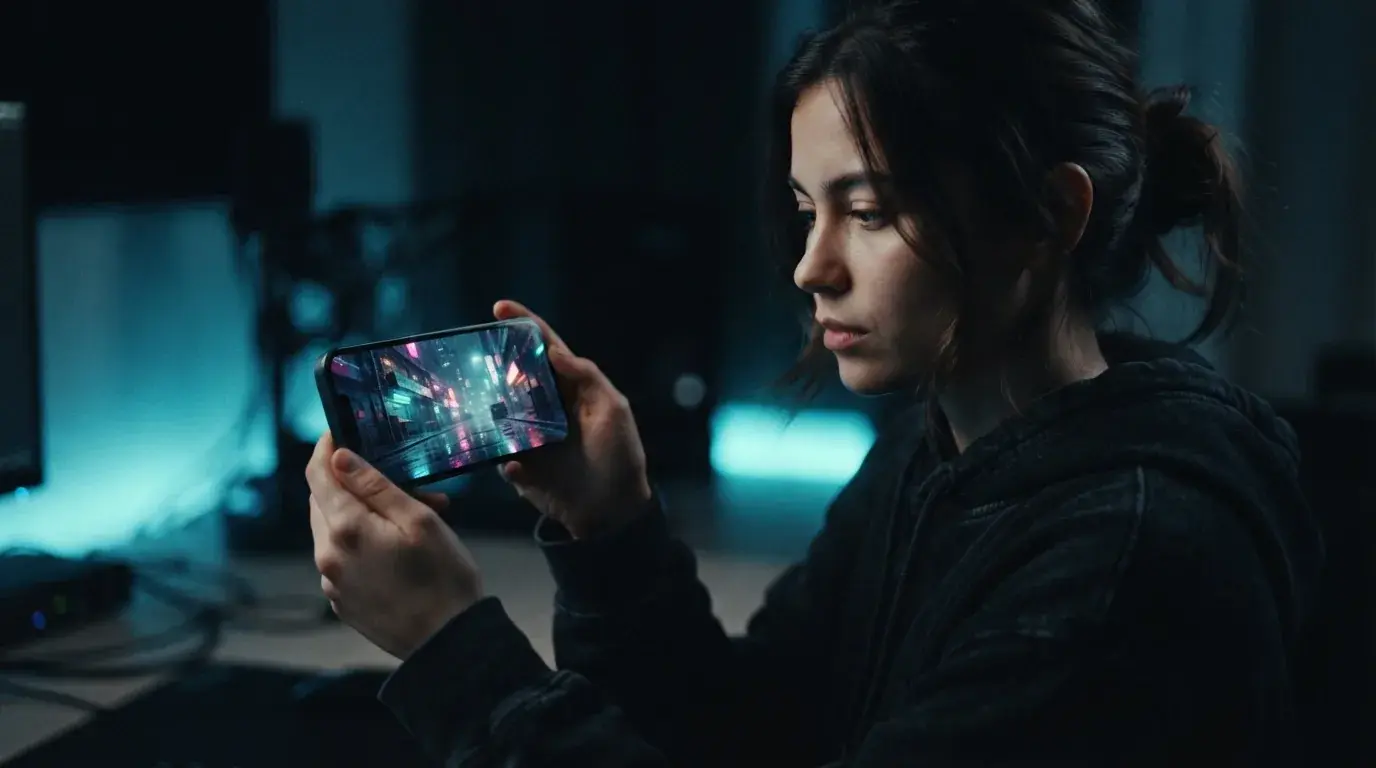
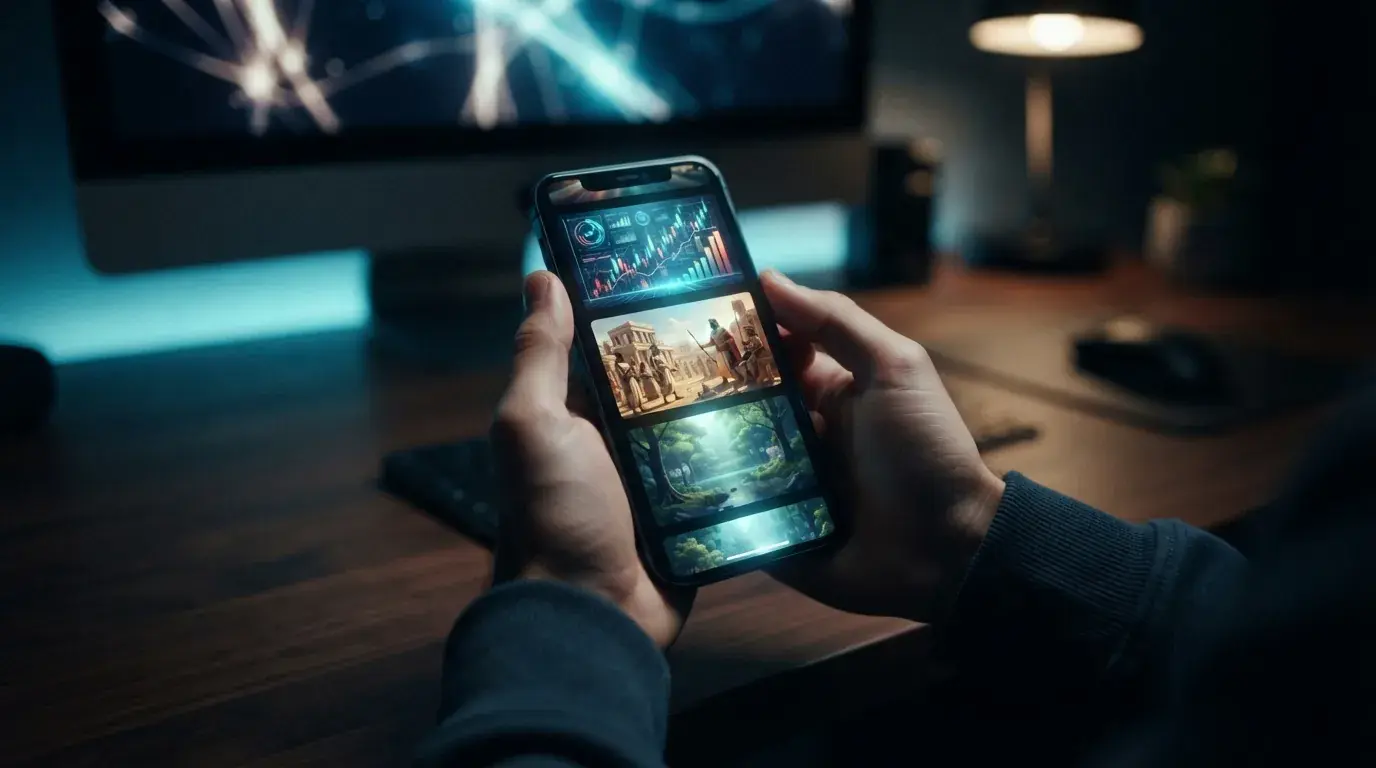
To understand what is AI short drama, look at serialized, vertical fiction series made up of 60 to 120-second episodes generated using artificial intelligence video and voice models. Unlike traditional television or cinema, these bite-sized shows are filmed exclusively in 9:16 aspect ratio, optimized for viewers holding a smartphone with one hand. Each episode delivers intense emotional stakes, fast dialogue, and sudden plot twists that culminate in sharp cliffhangers designed to keep viewers swiping to the next installment. The format originated in serialized mobile fiction apps and short video apps across Asia before expanding globally on TikTok, YouTube Shorts, and dedicated drama hubs. By replacing physical soundstages, actors, and weeks of editing with algorithmic generation, independent creators can now turn written scripts into complete multi-episode sagas in days. Audiences get high-melodrama storytelling tailored directly to their micro-break viewing habits, making the format one of the fastest-growing corners of mobile entertainment.
The rise of micro drama generation on mobile screens
Micro drama generation has rewritten the rules of episodic entertainment by allowing solo storytellers to launch complete seasons without studio backing. In conventional media production, producing a fifty-episode series requires location permits, costume departments, casting calls, and significant capital. With automated video systems, a creator simply drafts character descriptions, scene prompts, and dialogue, then generates each shot as an individual AI video clip. The popular genres of an AI mini drama reflect this hyper-focused digital environment, leaning heavily into revenge fantasies, secret billionaires, urban fantasy, and high-tension romance. Viewers enjoy fast gratification because every sixty seconds resolves one question while raising two more urgent ones. Because the production cycle is compressed from months down to hours, creators can experiment with fresh plotlines every week, testing audience reactions and iterating based on comments in real time.
How short form video production powers episodic drama
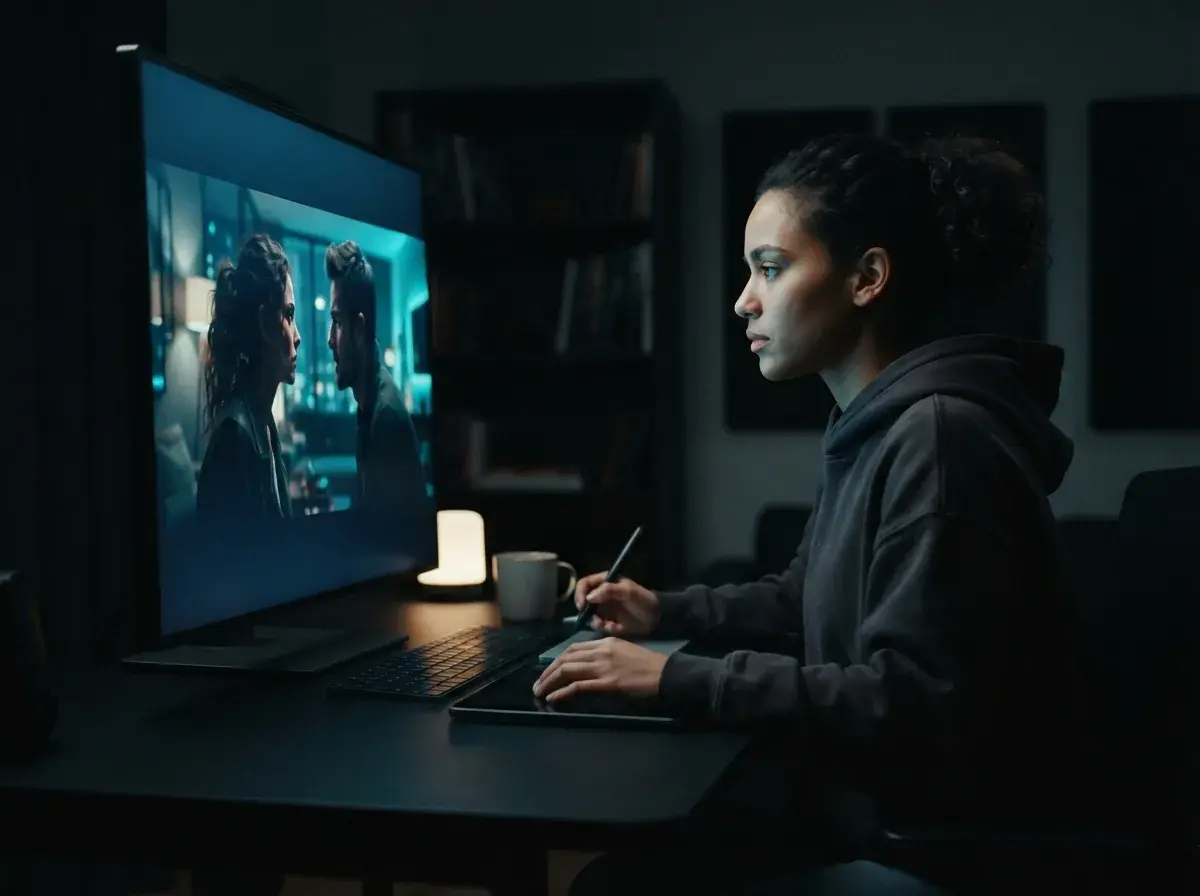
Modern short form video production for episodic drama relies on prompt chaining and visual consistency techniques rather than physical cameras. To build an episode, creators start with strong video script ideas formatted into concise two-sentence beats. From there, text prompts define the lighting, camera angles, facial expressions, and background details for each camera cut. Maintaining character consistency across multiple shots once posed a major challenge, but modern workflows use reference images and locked seed frames to ensure the same protagonist appears convincingly from scene to scene. The generated clips are then stitched together with synthesized dialogue, atmospheric sound effects, and tension-building musical cues. This lean approach allows single creators to handle scripting, directing, cinematography, and final assembly inside browser-based software, producing dozens of minutes of narrative content each month without touching a camera lens.
Key storytelling traits that define an AI drama series
Every successful AI drama series follows strict narrative conventions designed around mobile viewing psychology. Pacing is relentless, cutting out mundane transitions like characters walking across rooms or driving cars so that every frame delivers either conflict or exposition. Facial expressions are deliberately heightened, using close-ups that emphasize betrayal, shock, or determination because smaller mobile screens reward expressive clarity. Cliffhangers appear at the conclusion of nearly every ninety-second installment, often cutting off mid-sentence right as a shocking truth emerges or an antagonist enters the frame. Dialogue remains punchy and direct, avoiding lengthy monologues in favor of rapid back-and-forth lines that push the plot forward. These storytelling mechanics match how people consume media during commutes and lunch breaks, where attention spans require immediate emotional payoffs.

How creators build micro episodes from text outlines
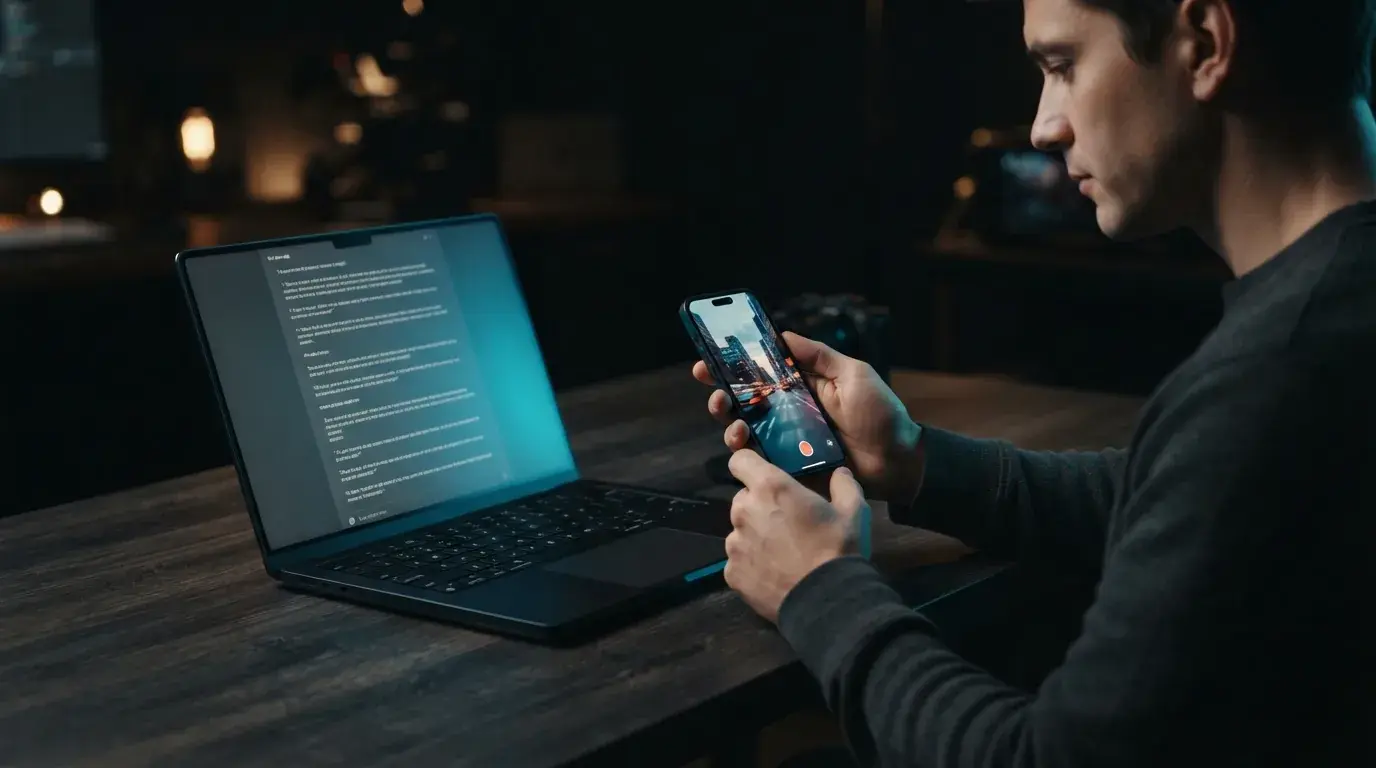
Anyone curious about what is AI drama in practice can test the production workflow using accessible web tools. The process begins with a script breakdown where the story gets divided into five to eight discrete shots per minute. Using OnVid's free AI video generator, creators type descriptive prompts specifying character actions, camera movements like slow push-ins or low angles, and mood lighting. Uploading a reference image allows the generator to bring existing character art to life with smooth motion and lifelike gestures. Once the individual video scenes are generated, creators align the clips with automated voiceovers and royalty-free score layers. Choosing preset visual styles ensures that every cut maintains a unified cinematic or animated aesthetic. Because the entire pipeline happens in the cloud, creators can refine dialogue and regenerate individual scenes instantly whenever an edit needs stronger pacing.
What is AI short drama doing to the future of mobile entertainment?
Understanding what is AI short drama requires looking at how social media platforms and serialized storytelling are merging into an interactive ecosystem. Traditional streaming services operate on hour-long formats, but audience demand is shifting toward immediate, bite-sized narrative snacks that fit into everyday mobile routines. As text to video tools continue improving their temporal coherence and rendering speeds, the barrier between watching a series and creating one is dissolving completely. Fans are beginning to generate their own alternate endings, spin-off storylines, and personalized episodes based on popular micro-drama lore. This democratized production model allows niche storytelling communities to flourish without needing gatekeeper approval from legacy television studios. The result is a vibrant entertainment format that rewards rapid creativity and gives independent digital creators full control over their visual stories.