
What is MAGI-2?
MAGI-2, also written MAGI 2, is an AI video model, but right now the name points to two different releases, and most of the confusion after the launch comes from mixing them up.
- MAGI-2 Preview from Sand.ai: the Beijing lab behind MAGI-1 released it in August 2026 with public weights, inference code and a technical report. It is open today.
- MAGI-2 on Higgsfield: a hosted MAGI-2 video model announced on November 24, 2026 as "exclusively on Higgsfield", with 1080p clips up to 30 seconds at $0.08 per second and a 400B-parameter open-weights model "coming soon".
So when someone says MAGI-2 is open source, they usually mean the Sand.ai preview, which you can download now. When they say it costs $0.08 a second, they mean the Higgsfield version, which you can only use through Higgsfield's app or API. Neither company has said how the two are related, so this guide keeps them apart and tells you what is confirmed for each.
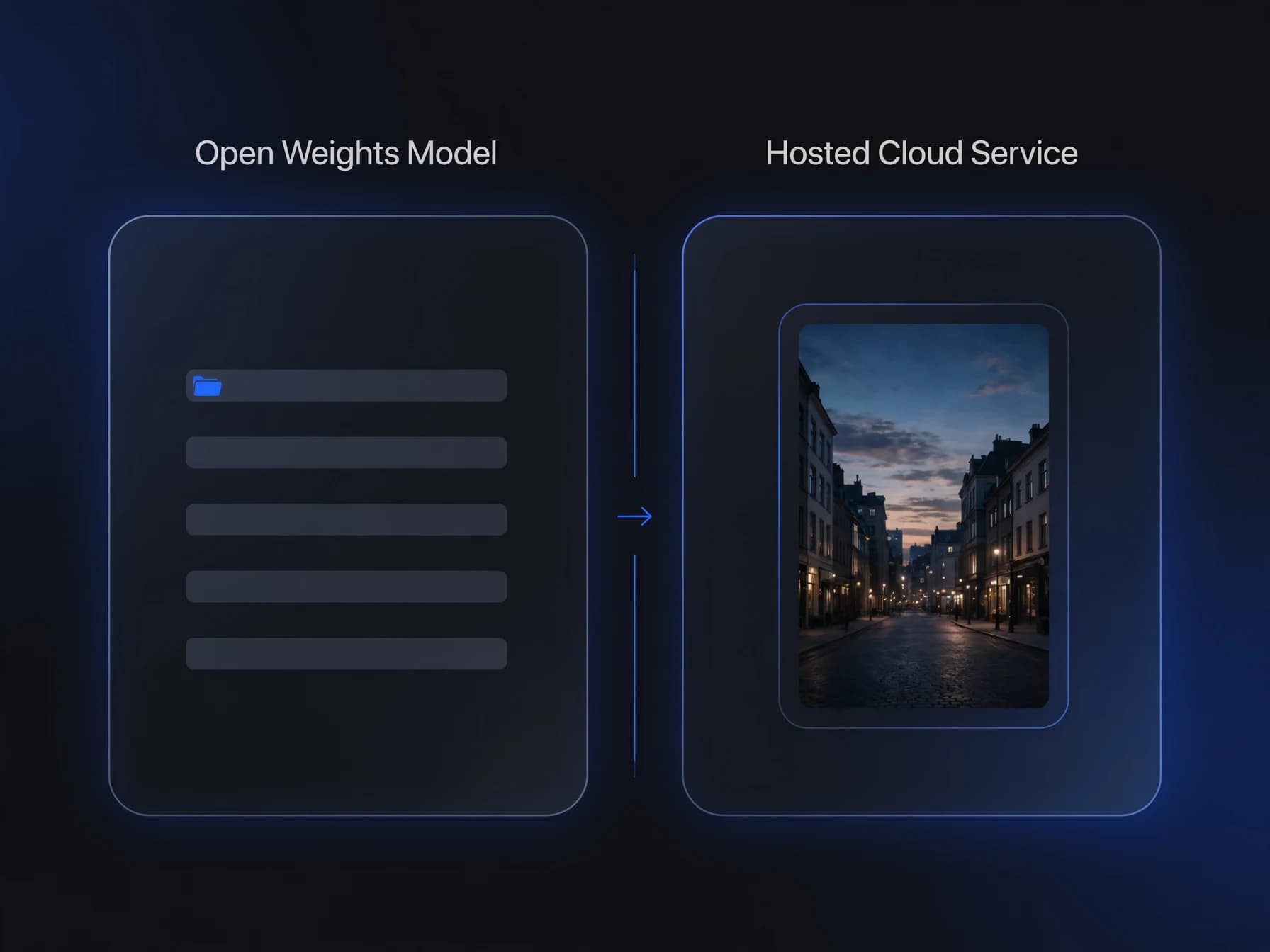
Wait, wasn't it already open? MAGI-1 and the two new releases side by side
Yes. Sand.ai's MAGI-2 Preview weights have been on Hugging Face since early August 2026. If you are looking for MAGI-2 vs MAGI-1, or for the MAGI-2 Higgsfield launch against the Sand.ai preview, here is how the three releases compare, using only what each side has published.
| Release | MAGI-1 (Sand.ai) | MAGI-2 Preview (Sand.ai) | MAGI-2 on Higgsfield |
|---|---|---|---|
| Released | April 2025 | August 2026 | November 24, 2026 |
| Size | 24B, plus a 4.5B version | 114B mixture-of-experts, 6B active per token | Not stated; 400B promised for open weights |
| Clip length | Chunk by chunk, extendable | 10 seconds only | 4 to 30 seconds |
| Resolution | Not a headline spec | 1080p through a refiner stage | 1080p |
| Input | Text, image or video to continue | Text, or text plus a still image | Text to video |
| Sound | No | Yes, generated with the video | Not stated |
| Weights | Open | Open, Apache 2.0 | Hosted only; 400B "coming soon" |
| Price | Free to run on your own GPUs | Free to run on your own GPUs | $0.08 per second |
Is Higgsfield's MAGI-2 a bigger, finished version of the Sand.ai preview, a licensed version, or a different model with the same name? Neither company has said. The numbers point to bigger and longer, 400B against 114B and 30 seconds against 10, but that is a reading of the numbers, not an announcement.
How much does MAGI-2 cost per video?
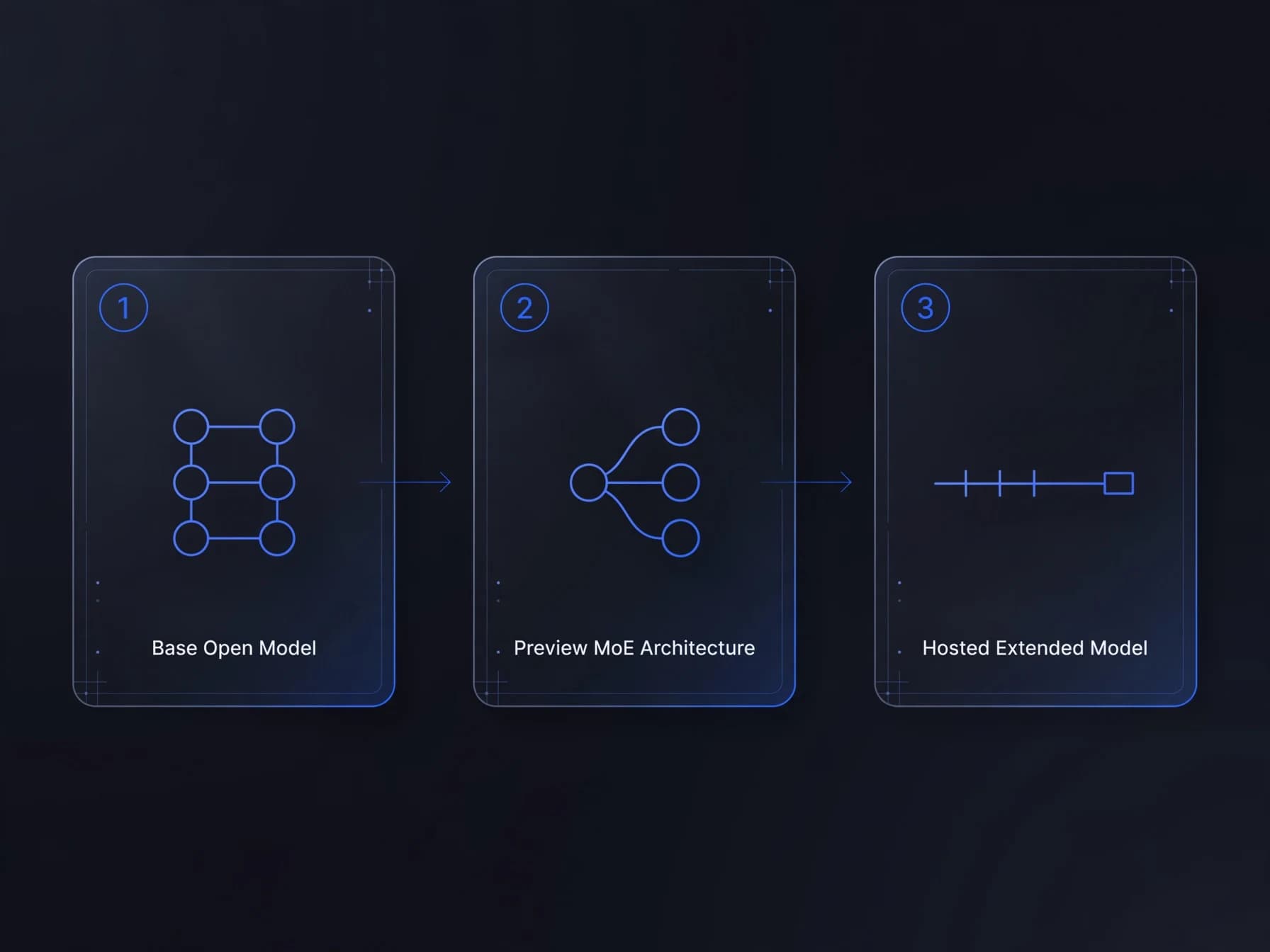
$0.08 per second sounds cheap, and for one clip it is. The price that matters is the cost of a video you actually keep. With AI video you rarely keep the first take, so here is the price of one take and the price if you keep one take in three. This is our math from Higgsfield's listed API price for 1080p; plan credits inside the app may work out differently, and "one in three" is an example, not a measured rate.
| What you make | One take | Keeping 1 take in 3 |
|---|---|---|
| 5-second clip | $0.40 | $1.20 |
| 10-second clip | $0.80 | $2.40 |
| 30-second clip (the maximum) | $2.40 | $7.20 |
| 60-second ad (2 × 30 s) | $4.80 | $14.40 |
| 10-minute project | $48 | $144 |
That is why both sides of the launch replies are right. For a professional making one 30-second shot, $2.40 is low for 1080p. For a hobbyist making longer pieces, $48 for ten minutes of raw output, and closer to $144 with retries, adds up fast.
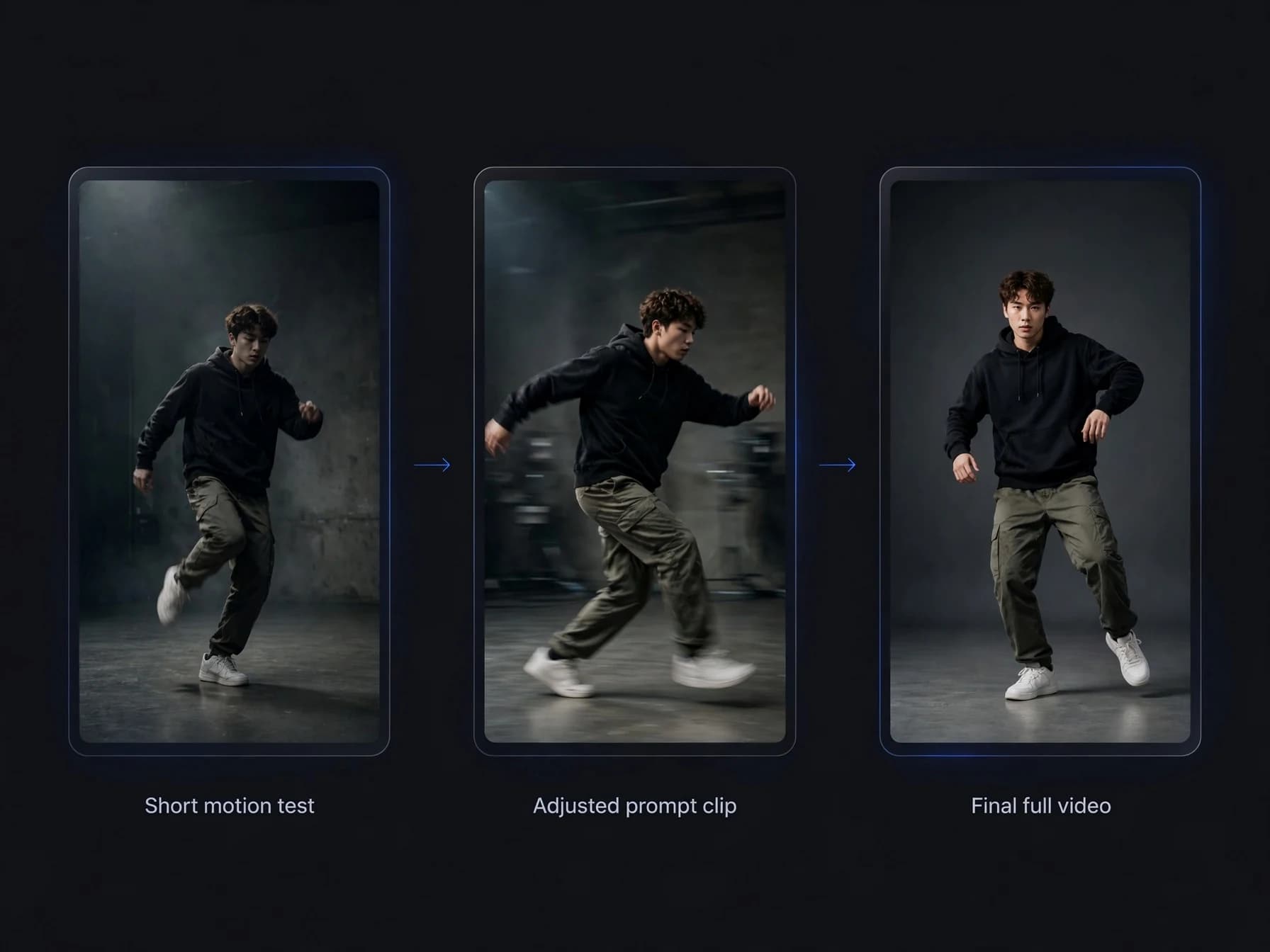
The habit that saves the most money is to test your idea on short clips first and only render the full 30 seconds once the shot works. Our AI video prompt guide covers how to get there in fewer takes. Need a long clip today without paying per second? Kling 4.0 on OnVid makes multi-shot videos up to 30 seconds with sound in one generation, and you can test short versions first before you commit to the full length.
Can you run MAGI-2 400B locally?
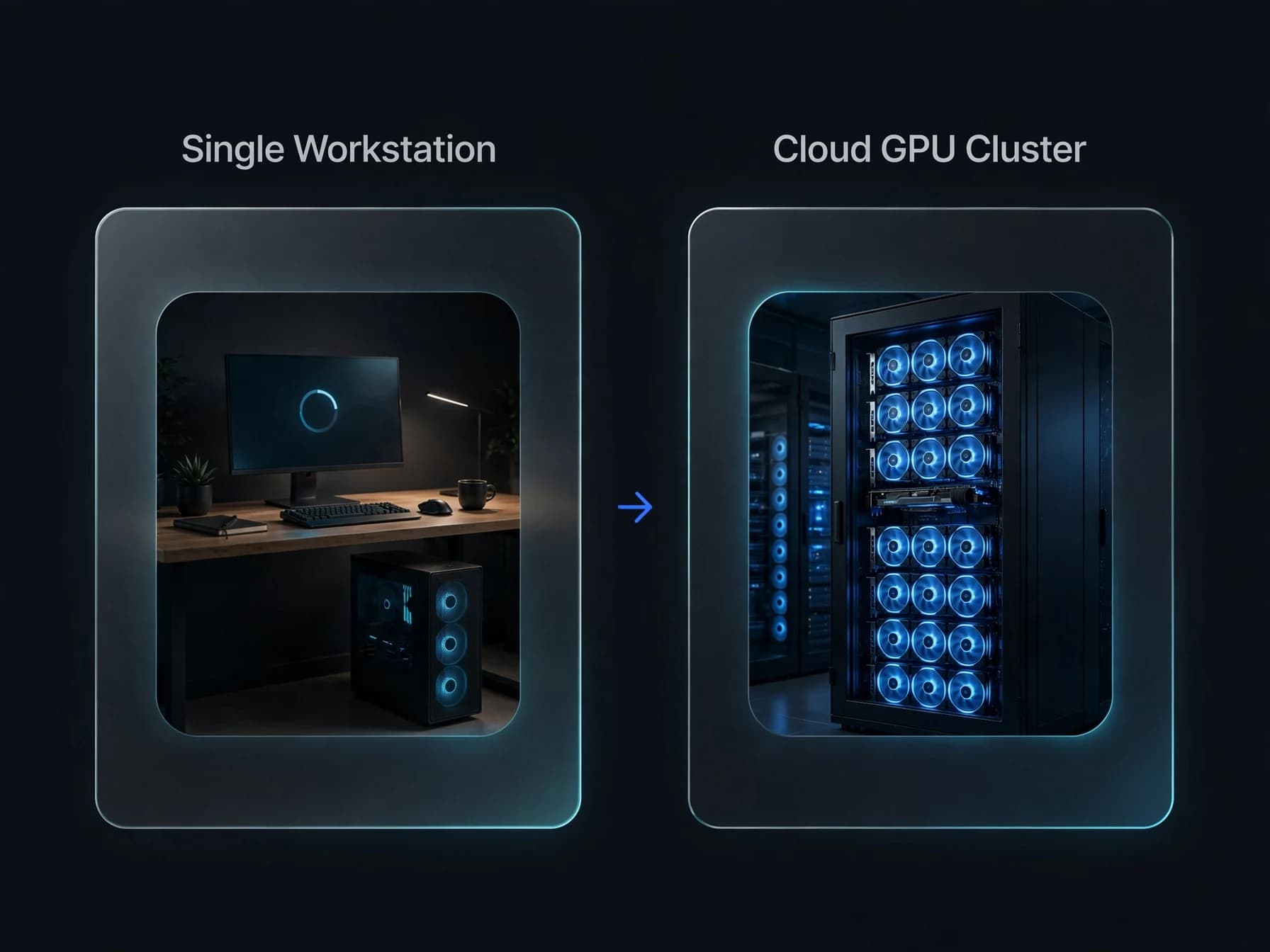
If you hoped to run MAGI-2 locally, not on a home PC, and not on one workstation card either. The weights alone set the minimum memory before the model makes a single frame. Here is the math for 400 billion parameters, weights only:
| Precision | Memory for 400B weights | What that means |
|---|---|---|
| 16-bit (BF16) | about 800 GB | 10 or more data-center GPUs with 80 GB each |
| 8-bit (FP8) | about 400 GB | 5 or more data-center GPUs, in practice a full 8-GPU server |
| 4-bit | about 200 GB | More than two 96 GB workstation cards, before any video memory |
A video model also needs memory for the frames it is making, and a 30-second 1080p clip is a lot of frames. For scale, the smaller 114B MAGI-2 Preview already lists 8 NVIDIA Hopper GPUs as its requirement, and each 10-second clip runs 100 denoising steps plus 5 refiner steps. Sand.ai says a distilled version with far fewer steps is coming. A 400B model is about three and a half times bigger.
A mixture-of-experts design, which the Sand.ai preview uses, makes each step cheaper because only part of the model works on each token. It does not make the model smaller to store, because every expert still has to sit in memory. So the honest answer to "will MAGI-2 run on an RTX 6000 Pro?" is no, not as released. It may later with heavy quantization or offloading, at a big cost in speed.
Open weights at this size mostly help:
- Labs and studios with GPU clusters, who can fine-tune on their own footage.
- Cloud hosts and API resellers, who can serve the model and compete on price.
- Researchers and the ComfyUI community, who often turn big releases into smaller, distilled or quantized versions.
For most creators, an open MAGI-2 matters because it can make the model cheaper and easier to find later, not because they will run it themselves.
What "open weights coming soon" does and doesn't tell you
The launch post promises an "open weights video model with 400B parameters coming soon". That one line leaves four things open:
- When: no date was given.
- Which license: the Sand.ai preview uses Apache 2.0, which allows commercial use. Higgsfield has not said what the 400B release will use, and some open-weights licenses ban commercial use or cap company size.
- Whether it matches the hosted model: the open model could be the same MAGI-2 you pay $0.08 per second for, or a different one.
- What 400B counts: if it is a mixture-of-experts model, 400B is likely the total size, with far fewer parameters active per step. That changes speed, not storage.
There is also a tension in the launch itself: exclusive on Higgsfield today, open weights later. Both can be true for a while, but once the weights are out, other hosts can serve the model too. Until a download link and a license exist, treat the MAGI-2 open weights as a plan, not a product.
What to use for 30-second 1080p AI video right now
If you need long, sharp clips today, you don't have to wait for the MAGI-2 weights or pay per second. A few options on OnVid's AI video generator:
- Kling 4.0: makes multi-shot videos up to 30 seconds, with sound, in one generation.
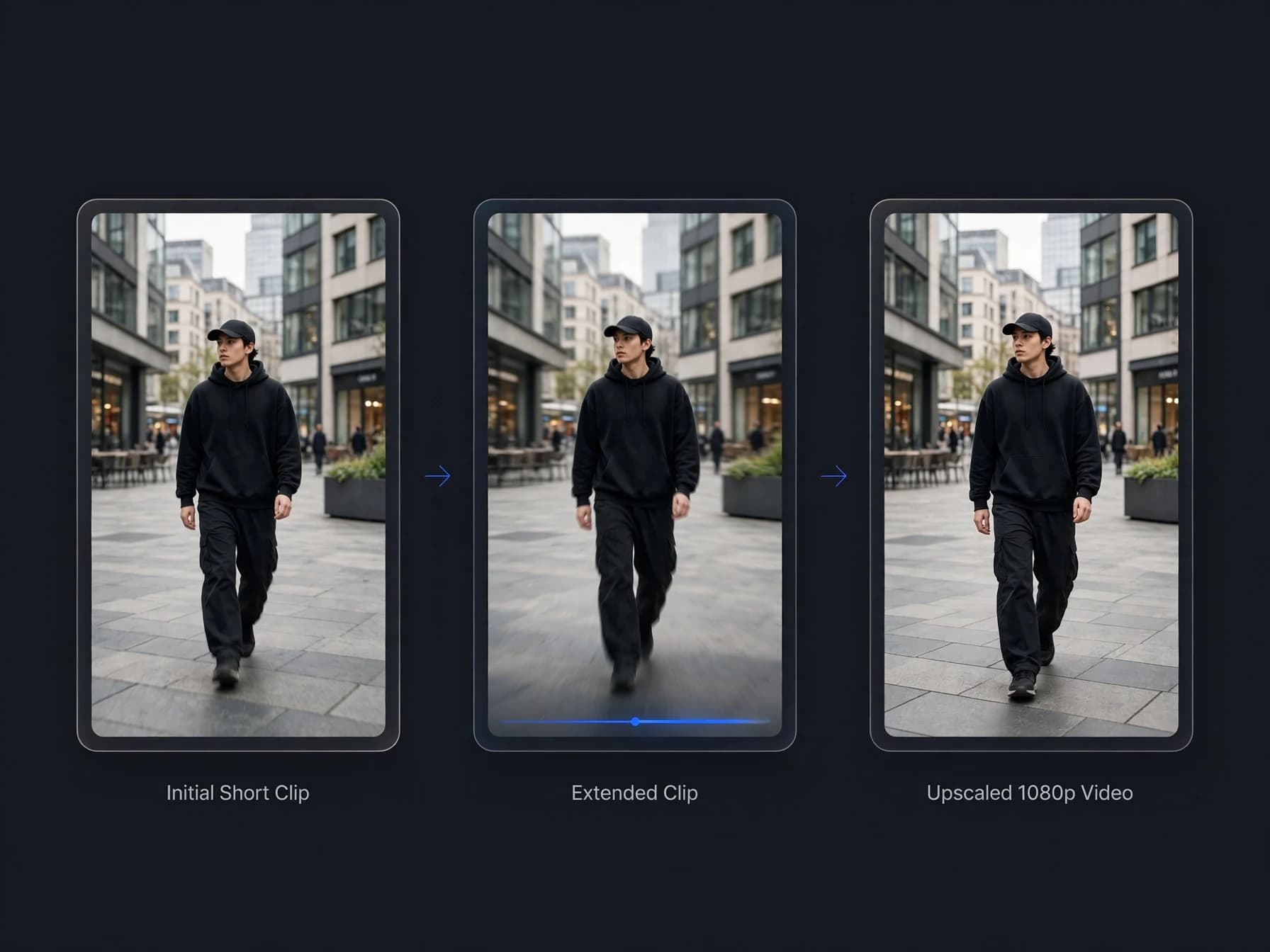
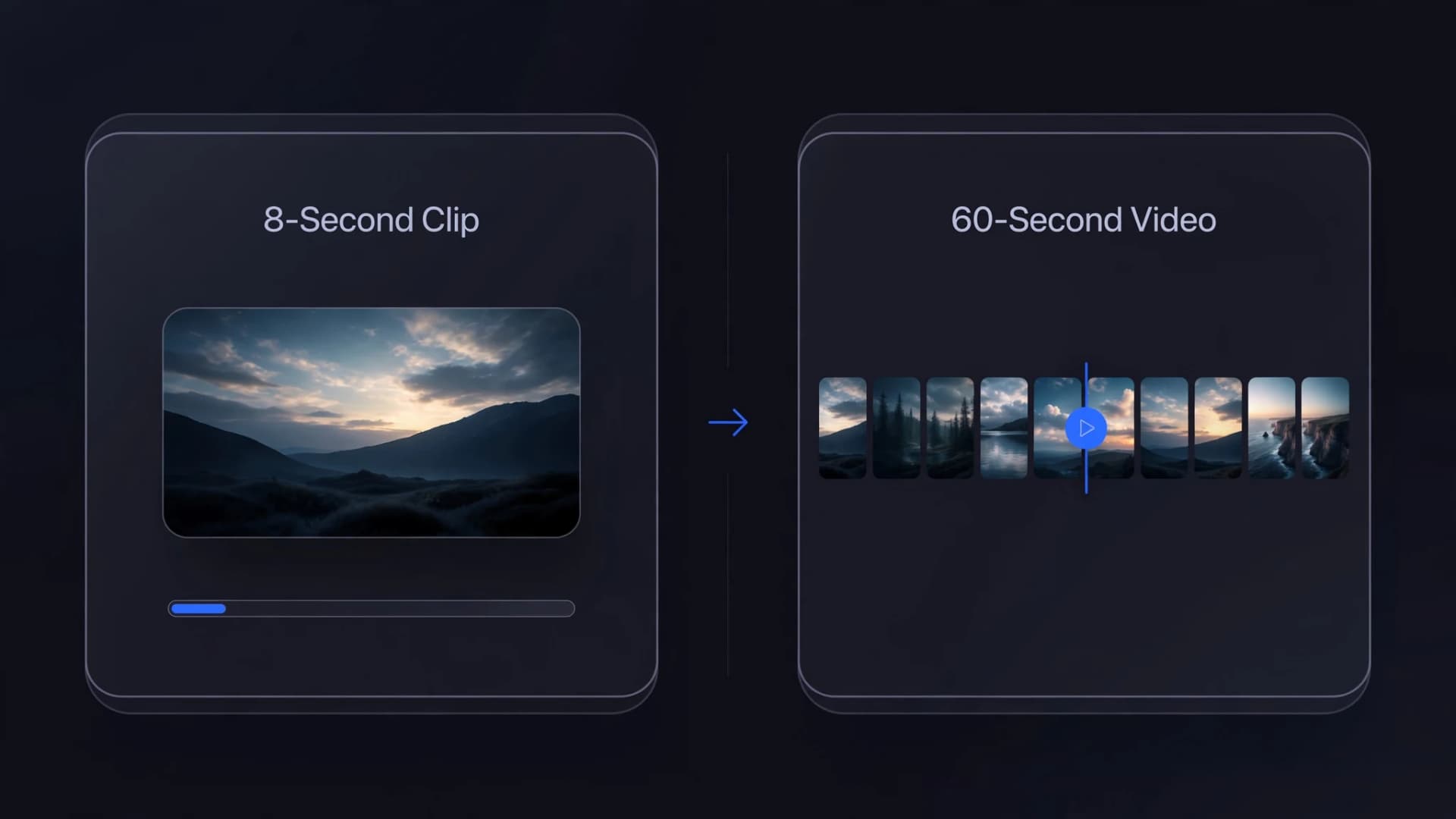
- AI video extender: adds 5, 10 or 15 seconds to a clip you already like, so you don't re-render the part that works.
- AI video upscaler: takes a cheaper take up to 1080p, 2K or 4K once you have picked the keeper.
- Sound effects and music: adds music, sound effects and voice lines to a silent clip.
This "test short, then extend and upscale the winner" workflow is the same one that keeps MAGI-2 costs down. If you are comparing platforms, see our Higgsfield pricing breakdown and Higgsfield vs OnVid.